
if you cannot find answer to your question our FAQ, you can alwas contact us. web will answer you shortly!
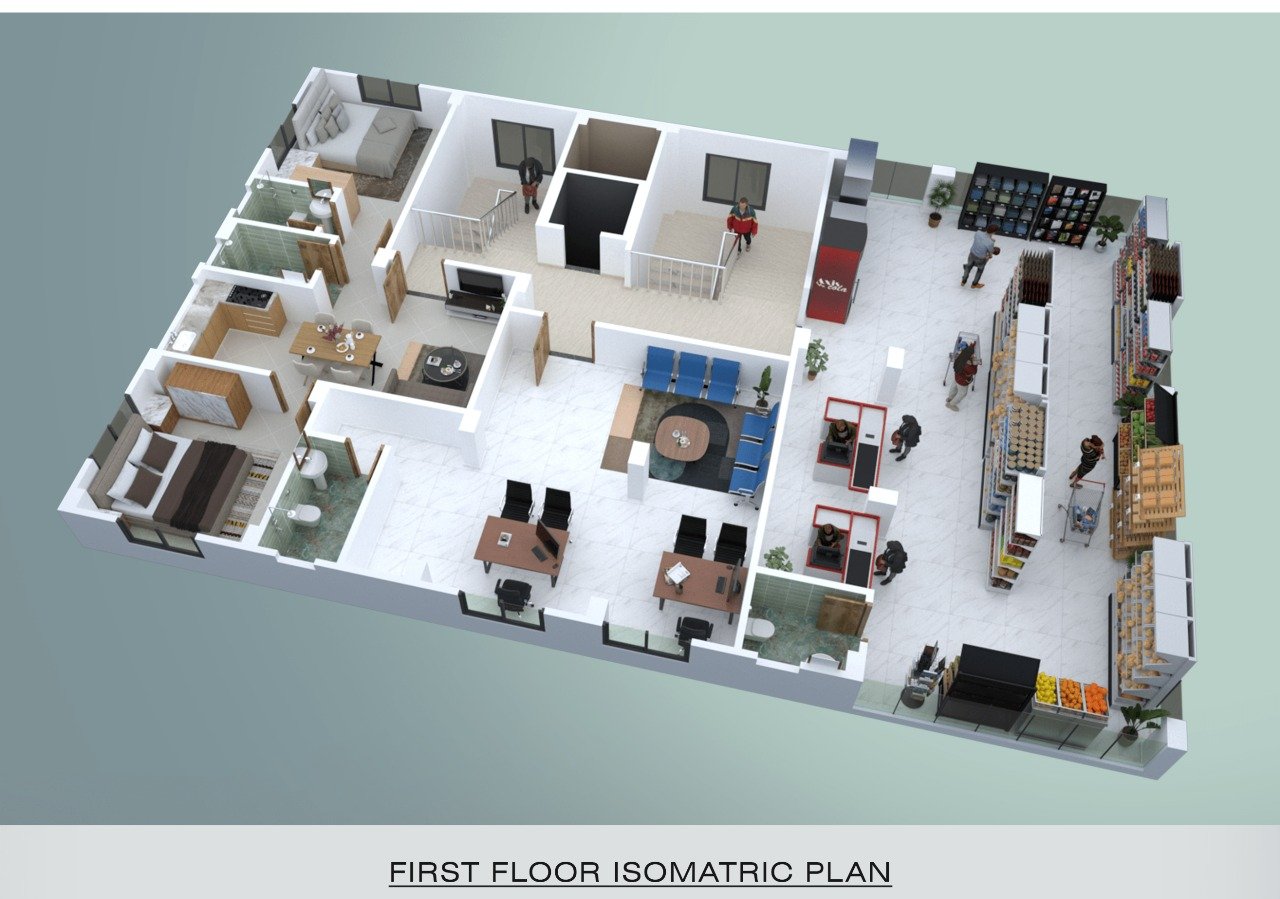
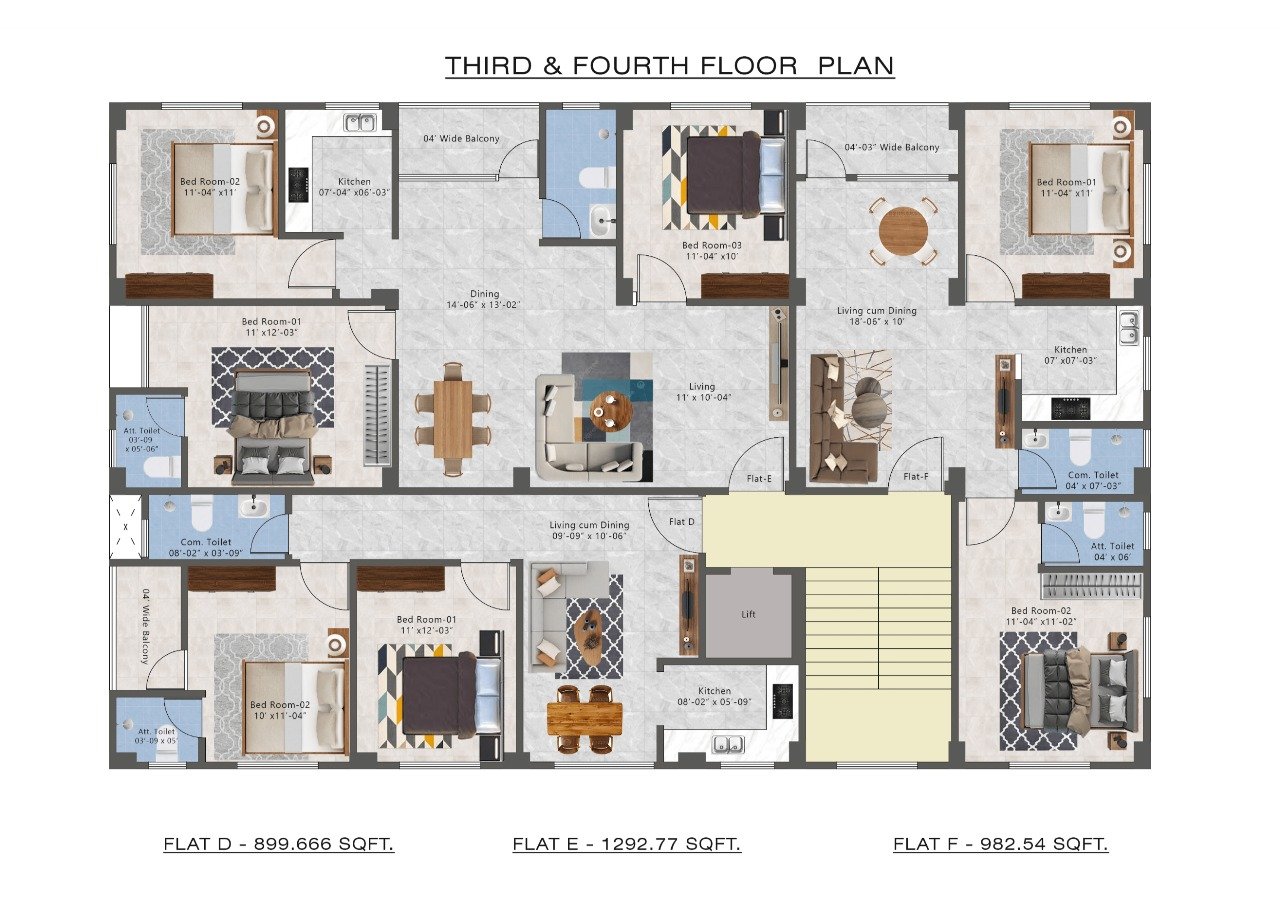
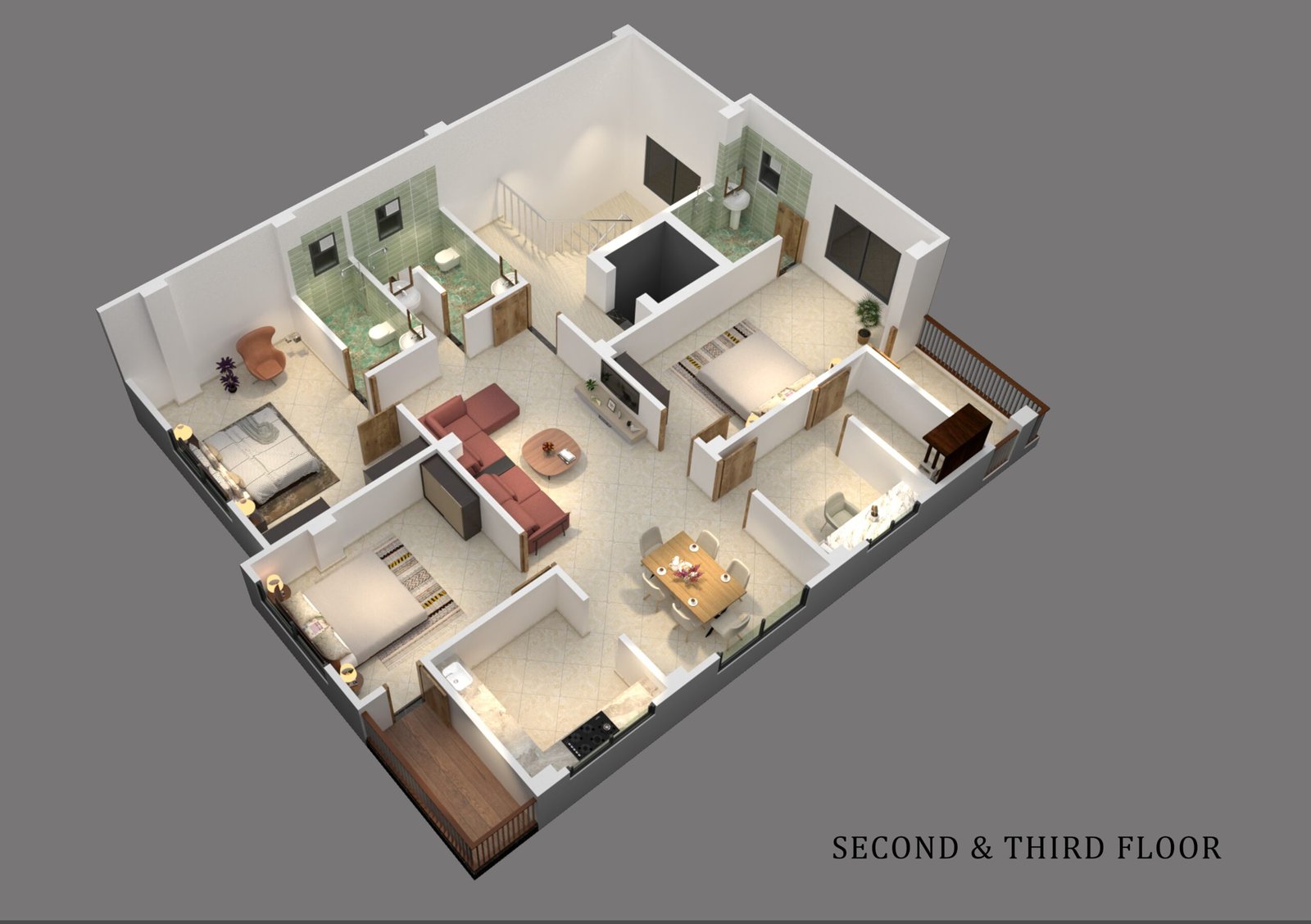
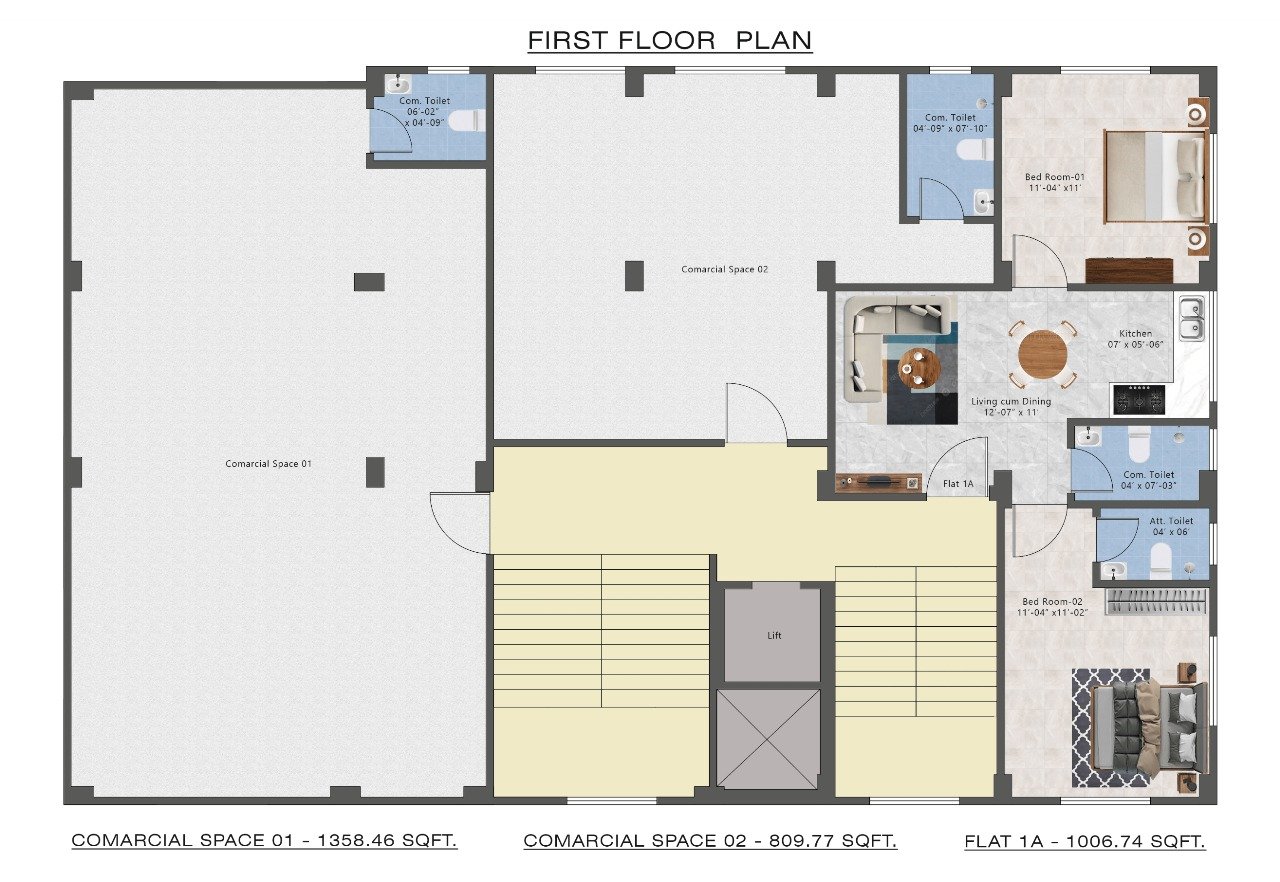
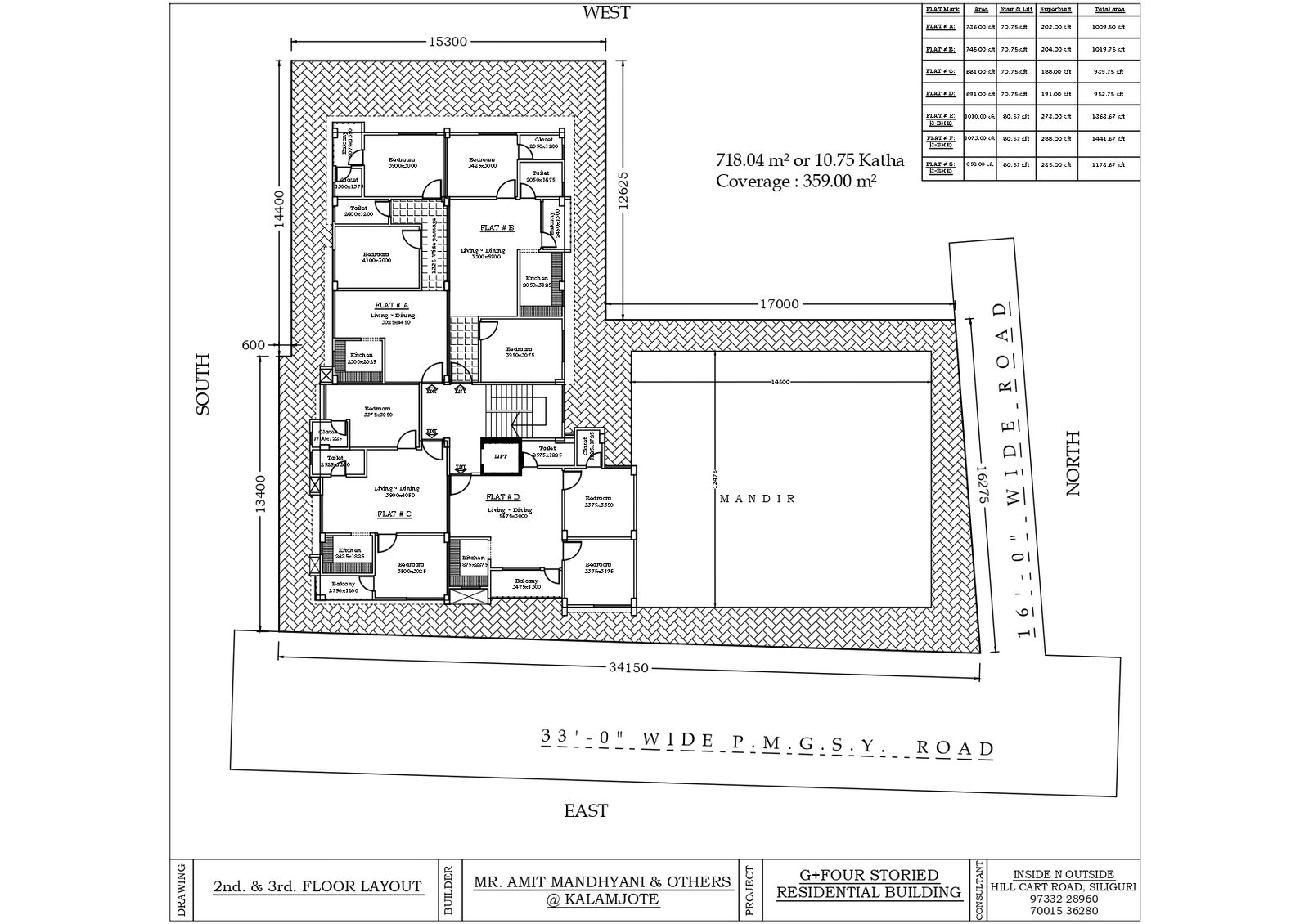
Architecture design is a creative and technical process of planning and creating buildings and other physical structures. It’s a multidisciplinary field that blends art, science, and technology to produce functional, safe, and aesthetically pleasing spaces. The design process goes beyond just drawing blueprints; it involves considering the context of the site, the intended purpose of the building, and how it will interact with its environment and the people who use it. Architects strive to create designs that are not only structurally sound but also enhance the quality of life for their occupants.

The future of sustainable architectural design is a holistic approach focused on creating buildings that are not only eco-friendly but also regenerative. The emphasis is shifting from merely minimizing harm to actively improving the environment and the well-being of occupants. This will be achieved through the widespread adoption of circular economy principles, where materials are designed for reuse and recycling. Buildings will become smarter, using AI and IoT to self-regulate energy consumption and optimize resource use in real time. Additionally, designs will increasingly integrate biophilic elements, connecting occupants to nature to improve health and productivity, while also focusing on climate resilience to withstand environmental changes.
The design of a building is deeply influenced by a wide range of factors, including the climate, local culture, available materials, and construction methods. A good architectural design balances form and function, addressing practical needs like lighting, ventilation, and accessibility while also creating a unique and inspiring aesthetic. It is a collaborative process that requires architects to work closely with engineers, construction managers, and clients to ensure a seamless transition from concept to completion, resulting in a sustainable and enduring structure.
The contractor acts as the primary point of contact for the client, taking on the responsibility for the entire project's successful completion.
Onsite supervision is a critical component of successful construction project management. It involves the direct oversight of all activities, personnel, and resources at the construction site.
Construction sites are high-risk environments, and a robust safety plan is essential to prevent accidents, injuries, and fatalities.
We specialize in a wide range of construction services, including residential, commercial, and industrial projects. From initial design to final inspection, we work closely with our clients to understand their unique needs and vision.
We begin by sitting down with you to understand your vision, needs, and project goals. We'll discuss your ideas, answer any questions you have, and gather all the necessary information to prepare a preliminary plan.
Based on our initial discussion, our team will develop a comprehensive project plan, including a detailed scope of work, timeline, and a transparent, no-obligation quotation. We'll present this to you, making any necessary adjustments to ensure it aligns perfectly with your expectations.
Once the plan is approved, our expert team will begin the construction phase. We maintain open communication throughout the process, providing regular updates to ensure a smooth workflow and a final result that not only meets but exceeds your expectations.
Don’t wait any longer to make your dream of a perfect home a reality. Choose Jhulelal Builders and step into a life of unparalleled quality.


Our post-construction services gives you peace of mind knowing that we are still here for you even after.


